Air Conditioning Repair Services: Essential Information for Maintaining Ideal Indoor Temperatures
AC repair services are crucial in maintaining optimal climate regulation within homes Common issues, such as poor cooling and strange noises, may signal the necessity for immediate attention Knowing the details regarding repair expenses along with the value of regular maintenance can enhance system performance Nevertheless, it is crucial to choose certified HVAC professionals What questions should property owners ask when confronted with cooling issues? The solutions might be unexpected
Common Air Conditioning Problems and Indicators
If an AC unit fails to operate effectively, it usually shows distinct issues and warning signs indicating that service is required One common issue is inadequate cooling, where the AC unit struggles to maintain the set temperature This might be due to low refrigerant levels or a broken compressor Another frequent indicator is unusual noises, for example, grinding or hissing, pointing to potential mechanical issues or leaks in the refrigerant line Additionally, an air conditioning unit that repeatedly turns on and shuts off, a process called short-cycling, can point to thermostat issues or blockages in the airflow Finally, water leaks around the unit signify potential drainage problems or blocked condensate lines Recognizing these symptoms early allows property owners to fix problems quickly, guaranteeing optimal function while maximizing the system's longevity
Understanding the Cost for Cooling System Fixes
Grasping the expenses involved in cooling system fixes is essential for homeowners Standard fees differ widely depending on the necessary fix, with multiple elements affecting the pricing, including the age of the unit and technician fees Reviewing these components assists people in making educated choices when needing maintenance
Common Repair Expenses
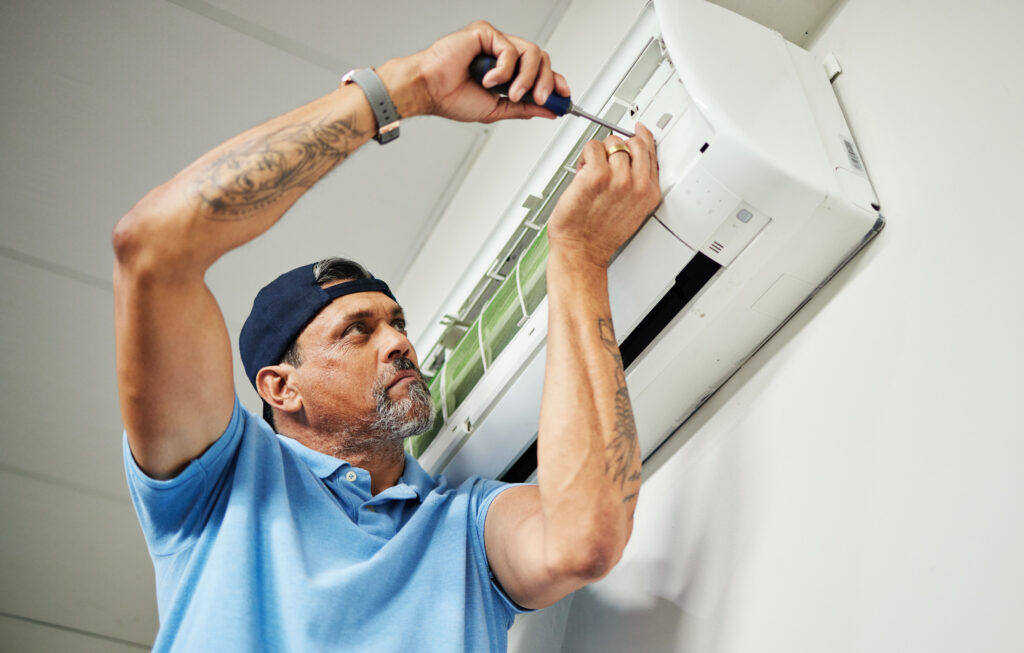
Air conditioner service often differ widely in price, influenced by factors such as the type of system, the root cause of the issue, and the geographic location of the service. Frequently encountered repair bills cover issues like leaking coolant, which can range from $200 to $1,500 depending on the seriousness, and capacitor or fan motor replacements, which can run from $100 to $600. Furthermore, malfunctioning thermostats can incur charges of $50 to $300 for repair or replacement. Routine maintenance, even though it's preventive work, requires payment ranging from $75 to $150 for each service call. Property owners must allocate funds for these typical costs to ensure their AC units operate efficiently and effectively during the summer period.
Factors Influencing Costs
In what ways do different factors affect the pricing of AC service? Several key factors contribute to the total costs linked to these services. Firstly, the kind of service needed has a major impact on expenses; minor fixes typically incur lower fees relative to complicated repairs. In addition, the model and lifespan of the AC system affect pricing; aged units might need specific parts or specialized effort. Also, the area of service is important, as material prices and labor charges differ regionally. The demand during certain seasons may also cause price changes, with peak summer months often seeing increased rates. Finally, the track record and skill of the technician may influence the price, as reputable providers often bill higher rates for their expertise and reliability.
The Importance of Regular Maintenance
Consistent upkeep of HVAC equipment is essential for boosting their operation and effectiveness. By investing in routine check-ups, homeowners can achieve significant cost savings over time and simultaneously prolonging the unit's life. Understanding the importance of these maintenance practices helps ensure more trustworthy and effective cooling solutions.
Maximizing Energy Output
Keeping an AC unit serviced is critical to achieving optimal function and energy savings - Richardson Air Conditioning Repair. Consistent upkeep, which involves cleaning or replacing filters, checking refrigerant levels, and inspecting components, assists in avoiding stress on the unit and ensures the best possible air movement. This forward-thinking strategy not only maximizes the longevity of the unit but also improves its capacity to control interior climate effectively. Scheduled maintenance permits technicians to catch developing issues quickly, lessening the possibility of sudden failures and pricy mending. In addition, a diligently kept system operates more quietly and helps enhance indoor air quality. By making scheduled servicing a priority, homeowners can enjoy consistent comfort while maximizing the air conditioning system's overall efficiency
Cost Savings Over Time
Although some homeowners might see air conditioning maintenance as an optional outlay, the eventual monetary advantages it offers can be considerable. Scheduled service allows detection of minor issues before they grow into major repairs, thereby avoiding costly emergency services. Additionally, a diligently kept system operates more efficiently, which can mean decreased power expenses. In the long run, this efficiency translates into substantial savings, making the upfront cost in routine upkeep worthwhile. Moreover, maintenance can improve indoor air quality, lowering illness-related spending for families. In short, prioritizing regular air conditioning maintenance improves system operation but also provides substantial economic advantages over the unit's operational life, confirming its worth to homeowners.
Maximizing Unit Longevity
Routine AC upkeep massively increases the unit's operational life. Regular servicing, including checking coolant levels and cleaning air filters, ensures optimal function and efficiency. Neglecting these tasks can result in greater deterioration, consequently cutting down the unit's lifespan. Moreover, routine inspections can uncover minor faults before they escalate into major overhauls. By tackling minor faults promptly, homeowners can avoid significant breakdowns and prolong the existence of their air conditioning systems. Furthermore, well-maintained units function better, which can lead to lower energy bills. Putting money into routine upkeep not only enhances comfort but also ensures trustworthy temperature management for the foreseeable future, underscoring the necessity of consistent care in air conditioning systems.
Selecting a Certified AC Professional
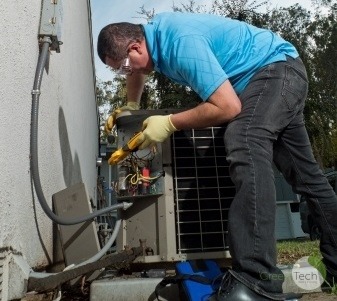
How can someone verify that they choose a skilled HVAC technician? To begin, checking credentials is crucial; look for technicians certified by recognized organizations like NATE or those who are state-licensed. Furthermore, experience plays a significant role; technicians with many years in the industry are often better at diagnosing and repairing difficult problems.
Asking for suggestions from relatives, friends, or online reviews can give helpful perspective into a technician's reputation. Once potential candidates are identified, requesting quotes and comparing costs can indicate who delivers fair and transparent service.
Moreover, a skilled technician needs extensive knowledge of various HVAC systems and be able to explain repair processes clearly. To conclude, make sure the technician provides warranties on their work, signaling their confidence in the service provided. If one follows these steps, you can make a knowledgeable choice when choosing an HVAC technician, ensuring dependable temperature regulation in their home.
DIY Troubleshooting Tips for Minor Issues
What measures can homeowners use to diagnose small AC problems before calling a professional? Initially, they should check the thermostat settings to confirm it is set to cooling mode and the set temperature. Then, inspecting the air filter for dirt and debris is essential; a dirty filter restricts airflow, leading to inefficiency. It is also helpful to check the outdoor unit for anything blocking it, such as leaves or debris, that may impede operation.
A further key action is verifying that the circuit breaker hasn’t tripped, which could disrupt power to the system. In addition, confirming that all vents are open and unobstructed ensures optimal air flow. Finally, monitoring for odd noises or checking for unusual odors can find the facts help reveal underlying issues. Adhering to these simple diagnostic steps, homeowners can address minor air conditioning problems effectively before contacting a technician.
Signs It’s Time for a New System
Once small AC problems have been addressed, homeowners may find themselves asking if they should consider for a system replacement. A few distinct indicators can indicate the necessity of an upgrade. First, if the appliance is older than 15 years, it may be inefficient and at higher risk of breaking down. Furthermore, frequent repairs that cost more than half the price of a new system mean replacement is probably the more cost-effective choice. Another red flag is inconsistent temperatures throughout the home, which can signal reduced efficiency. Rising energy bills also signal poor performance, as older systems often require more electricity than newer, modern systems. Lastly, unusual noises or odors can signal serious mechanical problems, necessitating further investigation. In conclusion, being aware of these warnings can help homeowners make informed decisions about their air conditioning systems, ensuring efficient climate control for their homes.
Advantages of Expert AC Maintenance
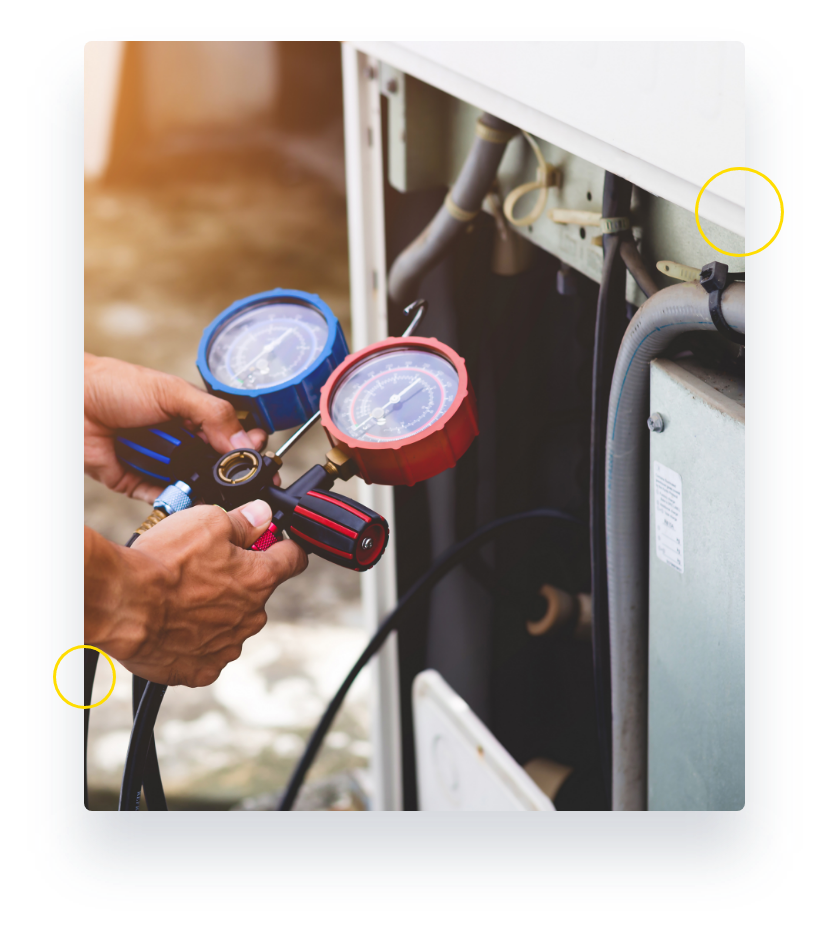
Specialized skill is vital in maintaining ideal air conditioning performance. Specialized cooling services offer numerous benefits, starting with comprehensive system checks. Trained technicians can detect root causes that may not be visible to the untrained eye, guaranteeing extensive repairs. This professional skill not only improves how well the system works but also extends the lifespan of the unit, which saves owners cash on unnecessary upgrades.
In addition, professional services guarantee compliance with required safety protocols, lowering the chance of dangerous failures. Regular maintenance performed by qualified personnel can improve indoor air quality by stopping the accumulation of dirt and irritants within the system. In addition, these services often include guarantees, giving customers confidence and security against unexpected expenses. Overall, hiring professional cooling help leads to optimal operation, energy efficiency, and a comfortable living environment, showing it is a sensible expenditure for homeowners looking for trustworthy temperature management.
Frequently Asked Questions
How Often Should I Schedule Professional Air Conditioning Inspections?
Experts suggest booking air conditioning inspections annually at minimum, preferably before summer starts. This routine upkeep ensures optimal operation, prolongs the unit's life, and spots minor problems before they turn into expensive fixes.
Can I Do the AC Upkeep Myself to Save Money?
Absolutely, people are able to handle basic maintenance tasks for instance, cleaning the filters and checking for debris. Yet, major fixes or detailed checks should be left to professionals to ensure maximum safety and reliable system operation, which prevents costly issues later on.
What Warranties Are Typically Offered on Air Conditioning Repairs?
As a rule, warranties on air conditioning repairs are valid for between 30 days and a full year. Richardson Air Conditioning Repair. The coverage frequently includes components and service, but specifics vary by service provider, emphasizing the importance of reviewing warranty terms prior to authorizing any work
How Much Time is Needed for an AC Repair?
Fixing your air conditioner usually takes about one to four hours, depending on the issue's complexity. Elements like the availability of components and the expertise of the repair person also play a role in the length of the repair process.
Can I Get Any Energy-Saving Improvements for My System?
Energy-efficient upgrades for air conditioning systems include programmable thermostats, compressors with variable speeds, and better quality filters. Such upgrades significantly lower power usage, leading to lower utility bills and enhanced indoor comfort in homes and businesses.